Japanese Geometric Pattern Background D
Visual harmony is a powerful tool in design, and few styles capture the balance between structure and beauty quite like traditional Japanese aesthetics. When you encounter a Japanese geometric pattern background, you are looking at more than just decoration; you are seeing centuries of cultural refinement distilled into lines, shapes, and repeating motifs. For creators, marketers, and small business owners, understanding how to utilize these designs can elevate a project from ordinary to exceptional.
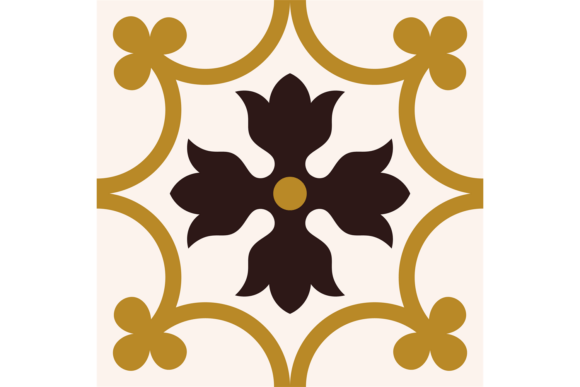
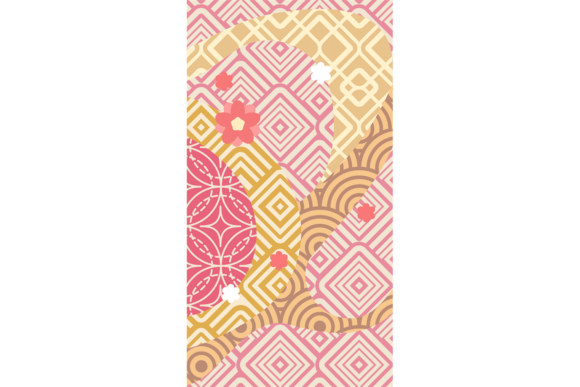
The specific style often referred to as Japanese Geometric Pattern Background. D represents a versatile subset of this artistic tradition. It combines the precision of mathematical geometry with the organic flow of nature-inspired ornamentation. Whether you are designing a website header, packaging for a boutique product, or educational materials, these patterns offer a sophisticated backdrop that commands attention without overwhelming the viewer.
Understanding the Appeal of Geometric Ornamentation
At its core, a decorative ornament template based on Japanese geometry relies on repetition and symmetry. These designs are not random; they are calculated to create a sense of order and calm. This is why they are so effective in professional and commercial contexts. In a world full of visual noise, a clean, structured background provides a resting place for the eye.
The value of using a vector illustration for these patterns cannot be overstated. Unlike raster images that pixelate when enlarged, vector files such as EPS and SVG maintain crisp edges at any size. This makes them ideal for both digital screens and large-format printing. A JPG version might suffice for a quick social media post, but having access to the scalable vector source ensures your brand assets remain high-quality across all platforms.
Key Characteristics to Look For
- Interlocking Shapes: Look for patterns where squares, circles, and triangles weave together seamlessly, symbolizing continuity and connection.
- Balanced Negative Space: Good geometric design uses empty space as effectively as filled space, preventing the background from feeling cluttered.
- Cultural Motifs: Common elements include the Asanoha (hemp leaf), Seigaiha (wave), and Kikkō (tortoise shell) patterns, each carrying subtle symbolic meaning.
- Color Versatility: While traditional palettes use indigo, red, and gold, modern adaptations often work well in monochrome or pastel tones for a contemporary feel.
Practical Applications for Creators and Businesses
One of the most common questions beginners ask is where to actually use these patterns. The answer lies in their subtlety. Because geometric backgrounds are often repetitive and structured, they serve as excellent foundations rather than focal points. Here are several realistic use cases where a Japanese geometric pattern background can solve design problems.
Brand Identity and Packaging
For small business owners, especially those in wellness, tea, cosmetics, or artisanal goods, packaging is the first physical touchpoint with a customer. A decorative ornament template can add a layer of perceived value and craftsmanship. Using an EPS file allows you to scale the pattern to fit exactly around a box or label without losing resolution. The geometric precision suggests reliability and quality, subtly reinforcing trust in your product.
Digital Presence and Web Design
In digital marketing, background textures can reduce the starkness of white space. However, busy backgrounds can hurt readability. A low-opacity Japanese geometric pattern provides texture without distraction. SVG files are particularly useful here because they are lightweight and load quickly, improving site performance while maintaining visual appeal. You might use it behind a testimonial section or as a subtle overlay on a hero image.
Educational and Editorial Content
Educators and bloggers can use these patterns to break up long-form text. A sidebar with a geometric border or a chapter header featuring a traditional motif can make educational materials feel more curated and engaging. It helps in organizing information visually, guiding the reader’s eye through the content in a logical flow.
Choosing the Right Format for Your Needs
When downloading or purchasing a Japanese geometric pattern background. D asset, you will likely encounter multiple file formats. Understanding the difference is crucial for efficient workflow.
- SVG (Scalable Vector Graphics): Best for web and app development. It is code-based, meaning you can sometimes change colors directly in your CSS or HTML. It remains sharp on retina displays.
- EPS (Encapsulated PostScript): The industry standard for print professionals. If you are sending files to a commercial printer for brochures or banners, EPS is the safest choice. It is compatible with major design software like Adobe Illustrator.
- JPG (Joint Photographic Experts Group): Suitable for quick previews, email newsletters, or social media images where editing is not required. Be mindful of compression artifacts if the pattern has fine lines.
Important Considerations Before Use
While these patterns are versatile, there are practical things to consider to ensure they enhance rather than hinder your project. First, think about contrast. If your text is dark, ensure the geometric lines are light enough not to interfere with readability. A common mistake is using a high-contrast pattern behind complex text, which causes visual vibration and eye strain.
Second, respect the cultural context. While geometric patterns are widely used globally, Japanese designs often carry specific historical meanings. For instance, certain patterns were historically reserved for nobility or specific ceremonies. While modern usage is generally flexible, being aware of the origins adds depth to your storytelling and shows respect for the art form.
Finally, consider scalability in your design process. If you are a beginner, start with a pre-made decorative ornament template. This allows you to experiment with placement and opacity without needing advanced vector editing skills. As you become more comfortable, you can modify the EPS files to customize colors or adjust the density of the pattern to better suit your brand identity.
Enhancing Visual Communication
Incorporating a Japanese geometric pattern background is not just about following a trend; it is about leveraging timeless design principles. These patterns offer a bridge between tradition and modernity, providing a structured yet artistic element to any creative endeavor. Whether you are a freelancer looking to impress a client, a marketer aiming for higher engagement, or a hobbyist creating personal projects, the right background can transform the overall perception of your work.
By choosing high-quality vector illustrations and applying them thoughtfully, you ensure that your designs remain professional and adaptable. The key is balance. Let the geometry support your message, not compete with it. With the right approach, these intricate designs become an invisible hand that guides your audience, creating a cohesive and memorable visual experience.