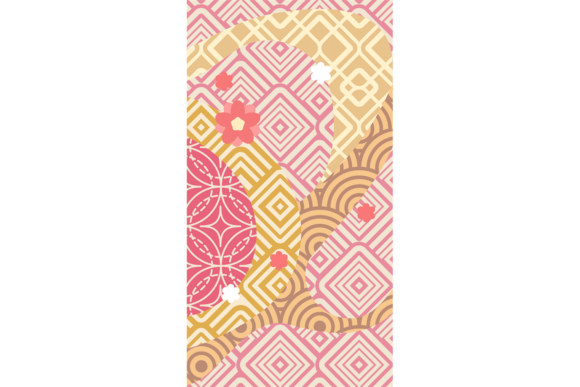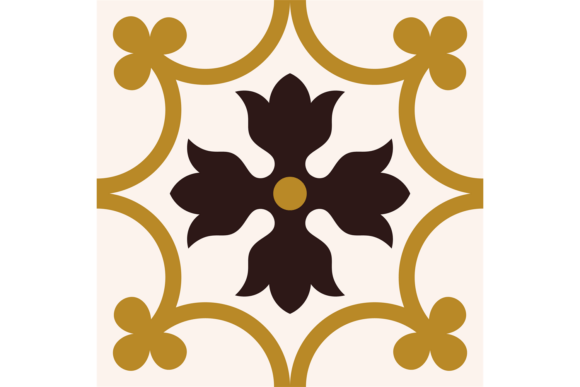
Ornate Mosaic Tile: Deco Square Pattern
Visual identity is the silent ambassador of any brand or creative project. In a digital landscape saturated with minimalist flat designs, there is a growing appetite for texture, depth, and historical resonance. This is where the Mosaic Tile. Ornate Square Pattern. Deco emerges not just as a decorative element, but as a strategic design asset. It bridges the gap between classical craftsmanship and modern digital utility, offering a sophisticated aesthetic that commands attention without overwhelming the viewer.
For designers, marketers, and small business owners, understanding how to leverage this specific decorative motif can significantly enhance the perceived value of their work. Whether you are designing packaging for an artisanal product, creating a backdrop for a luxury service website, or developing educational materials about art history, the right pattern does more than fill space. It communicates quality, attention to detail, and a respect for tradition.
The Strategic Value of Geometric Sophistication
The appeal of the Mosaic tile. Ornate square pattern. Decorative motif lies in its structured complexity. Unlike organic shapes which can feel unpredictable, square-based mosaic patterns offer a sense of order and stability. This psychological effect is crucial in professional contexts where trust and reliability are paramount. When a consumer sees a well-executed geometric pattern, they subconsciously associate the brand with precision and care.
Consider the application in packaging design. A simple cardboard box becomes a premium unboxing experience when adorned with a subtle, elegant mosaic border. The Deco influence adds a touch of the 1920s glamour—think Great Gatsby elegance—without feeling dated. This versatility allows the pattern to work across various industries, from high-end cosmetics to boutique coffee roasters. The key is balance; the ornate nature of the tile must support the primary content, not compete with it.
Furthermore, using a pre-designed vector illustration saves considerable time. Creating intricate mosaic patterns from scratch requires advanced skills in geometry and symmetry. By utilizing a ready-made Vector illustration EPS, JPG, SVG file, creators can bypass the tedious drafting phase and move directly to customization. This efficiency is vital for freelancers and agencies working under tight deadlines, allowing them to deliver high-quality visuals faster.
Technical Flexibility Across Media
One of the most significant advantages of acquiring this design in multiple formats is adaptability. The modern creator rarely works in a single medium. A logo might start on a screen, move to print, and end up on embroidered merchandise. Having access to EPS, JPG, and SVG files ensures that the Mosaic Tile. Ornate Square Pattern. Deco remains crisp and clear regardless of the output.
- SVG (Scalable Vector Graphics): Ideal for web and app interfaces. SVGs are code-based, meaning they load quickly and scale infinitely without pixelation. This is perfect for responsive websites where the pattern might need to shrink for a mobile header or expand for a desktop banner.
- EPS (Encapsulated PostScript): The industry standard for professional printing. If you are producing business cards, brochures, or large-format posters, the EPS format ensures that the intricate lines of the mosaic remain sharp at any size. It allows printers to separate colors accurately, ensuring the final product matches your digital proof.
- JPG (Joint Photographic Experts Group): Best for quick previews, social media posts, or documents where file size is a concern. While not scalable, high-resolution JPGs are sufficient for digital presentations and email newsletters.
This multi-format approach eliminates the friction of converting files, which often leads to quality loss. For educators and publishers, this means the same asset can be used in a printed textbook and an interactive e-learning module without needing to source two different images.
Enhancing Brand Narrative Through Texture
In marketing, differentiation is key. Many brands struggle to stand out because they rely on stock photography that feels generic. Incorporating a Decorative motif like an ornate square pattern adds a layer of unique texture that proprietary photography often lacks. It serves as a visual anchor that can become part of your brand’s recognizable language.
For example, a financial consultant might use the structured, interlocking nature of the mosaic to symbolize stability and interconnected planning. A wedding planner could use the ornate details to evoke romance and timeless beauty. The interpretation depends on the context, but the underlying message is always one of curated quality. This is particularly effective for small business owners who need to punch above their weight class visually. A polished, cohesive look suggests a level of professionalism that rivals larger competitors.
Moreover, the Deco style resonates with current interior design trends. As more consumers invest in home aesthetics, brands that align with these visual preferences feel more relevant and aspirational. Using this pattern in social media graphics or email headers creates a subconscious link between your brand and the stylish, curated lifestyle your audience desires.
Practical Implementation Tips
To get the most out of the Mosaic Tile. Ornate Square Pattern. Deco, consider these practical recommendations:
- Color Customization: Do not feel bound by the original color scheme. Vector files allow you to change colors easily to match your brand palette. Try monochromatic variations for a subtle watermark effect, or high-contrast combinations for bold statements.
- Opacity and Layering: Use the pattern as a background with reduced opacity. This adds depth to white space without making text hard to read. It is an excellent technique for slide decks and report covers.
- Cropping for Focus: You do not need to use the entire square. Crop sections of the mosaic to create unique borders or corner accents. This breaks the monotony of full-pattern backgrounds and guides the viewer’s eye toward key information.
- Consistency: Once you choose this motif, use it consistently across touchpoints. Repetition builds recognition. If it appears on your website, let it appear on your business cards and social media templates too.
Knowing When to Use It
While versatile, this pattern is not a universal solution. It works best for brands that want to convey elegance, tradition, or artistic flair. It may feel out of place for ultra-modern tech startups aiming for a stark, futuristic look, or for children’s products that require playful, irregular shapes. Always assess whether the ornate nature of the design aligns with your core message.
Additionally, ensure there is enough negative space in your layout. An ornate pattern demands breathing room. If your design is already cluttered with text and images, adding a complex mosaic will create visual noise rather than enhancement. Use it to frame content, not to fill every void.
In conclusion, the Mosaic Tile. Ornate Square Pattern. Deco is more than a decorative clipart. It is a flexible design tool that enhances professionalism, saves production time, and strengthens brand identity. By understanding its technical benefits and aesthetic implications, creators can use this asset to elevate their projects from ordinary to exceptional. Whether you are a seasoned designer or a small business owner managing your own marketing, integrating such thoughtful details can make a significant difference in how your audience perceives your work.