Colorful Embroidery Stitch Patterns Show
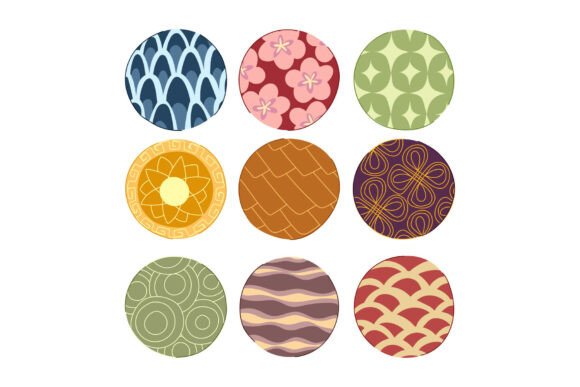
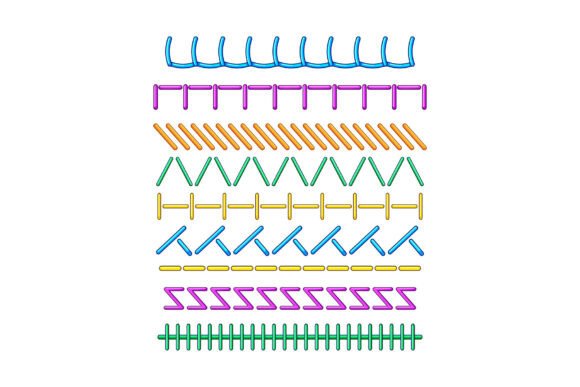
There is a distinct, tactile satisfaction in watching a needle pull thread through fabric, transforming a plain surface into a textured narrative. For designers, educators, and creative entrepreneurs, visual references are not just inspiration; they are essential tools for communication and execution. This is where the concept of a Colorful Embroidery Stitch Patterns Show becomes invaluable. It serves as a curated visual library, presenting a collection of colorful thread stitching formations that illustrate both decorative flair and practical utility. By isolating these elements on a clean white background, such a collection removes visual noise, allowing viewers to focus entirely on the geometry, tension, and color interplay of each stitch.
The Visual Clarity of Isolated Designs
When evaluating textile design elements, context can often be distracting. A finished garment or a complex tapestry contains dozens of overlapping variables—fabric drape, lighting conditions, and surrounding patterns. A dedicated show of stitch patterns strips away these distractions. By presenting each formation against a stark white backdrop, the viewer gains an unobstructed view of the technique itself. This clarity is crucial for several professional applications.
For instance, a graphic designer working on packaging for a craft brand needs to understand how a satin stitch differs visually from a long-and-short stitch when scaled down to a logo size. Without the distraction of a busy background, the structural integrity of the stitch becomes apparent. The Colorful Embroidery Stitch Patterns Show acts as a technical diagram as much as an artistic showcase, highlighting the precise entry and exit points of the needle and the resulting texture.
Bridging Traditional Craft and Modern Design
Embroidery is often perceived as a purely traditional hobby, but its applications in modern commercial environments are vast. From high-end fashion branding to user interface icons that mimic handcrafted aesthetics, the language of stitches is universal. A comprehensive collection of these patterns allows professionals to bridge the gap between analog craft and digital design.
- Brand Identity: Companies aiming for an artisanal, trustworthy image can use specific stitch patterns in their marketing materials. A cross-stitch motif might suggest precision and heritage, while a free-form chain stitch could imply creativity and flexibility.
- Educational Resources: Educators teaching textile arts or design history benefit from clear, high-resolution examples. Students can analyze the density of a French knot cluster or the directionality of a herringbone stitch without squinting at a photograph of a completed quilt.
- Digital Asset Creation: Freelancers and bloggers often need unique graphical elements. Instead of relying on generic clip art, they can reference these colorful formations to create custom SVGs or textures that feel authentic and hand-made.
Key Characteristics of Effective Stitch Collections
Not all visual references are created equal. To be truly useful for professionals and hobbyists alike, a Colorful Embroidery Stitch Patterns Show must possess certain qualities. First, color accuracy is paramount. The vibrancy of the thread affects how the stitch is perceived; a dull red may hide the depth of a stem stitch, while a bright cyan reveals every twist. High-fidelity representation ensures that users can replicate the look accurately in their own projects or digital simulations.
Second, variety in complexity is essential. A robust collection should include basic foundational stitches, such as the running stitch and backstitch, alongside more advanced techniques like bullion knots or turkey work. This range allows users to select patterns that match their skill level or project requirements. Whether you are a beginner looking to master the basics or an experienced embroiderer seeking inspiration for a complex couture piece, the diversity of the collection determines its long-term value.
Practical Applications in Professional Workflows
Integrating these visual resources into your workflow can enhance efficiency and creativity. Consider a marketer developing a campaign for a sustainable clothing line. By referencing a Colorful Embroidery Stitch Patterns Show, they can select imagery that emphasizes natural fibers and hand-finishing, reinforcing the brand’s commitment to quality and sustainability. The visual cue of a visible, colorful stitch communicates human effort and care, which resonates deeply with conscious consumers.
Similarly, app developers focusing on wellness or mindfulness might incorporate subtle embroidery textures into their user interfaces. The organic, imperfect nature of hand stitching contrasts with the rigid precision of digital screens, creating a calming, human-centric user experience. Access to a wide array of stitch formations allows designers to choose the right texture for the right emotional response.
Selecting the Right Patterns for Your Needs
When navigating a collection of stitching formations, consider the end goal. Are you aiming for structural durability or purely decorative appeal? Practical stitches like the whipstitch or blanket stitch offer strength and edge finishing, making them ideal for functional items like bags or home goods. Decorative stitches, such as the lazy daisy or woven wheel, add visual interest but may not withstand heavy wear. Understanding this distinction helps in making informed design choices.
Furthermore, pay attention to the scale. Some stitches lose their definition when shrunk, while others become indistinct when enlarged. A good reference show will often provide context or multiple views, helping you gauge how a pattern translates across different sizes. This is particularly important for entrepreneurs producing small-batch goods, where consistency in branding across various product sizes is key.
Enhancing Creativity Through Color Theory
The "colorful" aspect of these pattern shows is not merely aesthetic; it is educational. Seeing how different thread colors interact within the same stitch structure can teach valuable lessons in color theory. A single stitch type can look dramatically different depending on whether it is executed in monochrome, complementary, or analogous colors. This visual experimentation encourages creators to step outside their comfort zones.
For bloggers and content creators, these vibrant images serve as engaging visual anchors. They break up text, illustrate tutorials, and provide immediate visual gratification to readers. By using high-quality, isolated images of embroidery stitches, you elevate the perceived quality of your content, establishing authority and trust with your audience.
In conclusion, a Colorful Embroidery Stitch Patterns Show is more than a gallery of pretty pictures. It is a functional resource that supports education, enhances design accuracy, and inspires innovation across various industries. By providing clear, detailed, and colorful examples of textile design elements, it empowers professionals and hobbyists to make better creative decisions. Whether you are stitching a heirloom quilt or designing a digital brand identity, understanding the nuances of these patterns adds depth and authenticity to your work.