Strategic Applications of the Colorful Watercolor Wildflower Meadow in Modern Branding
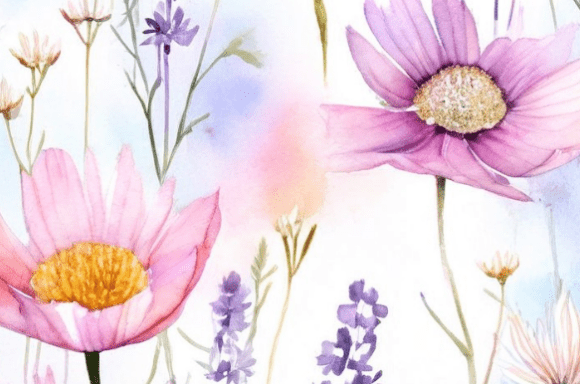
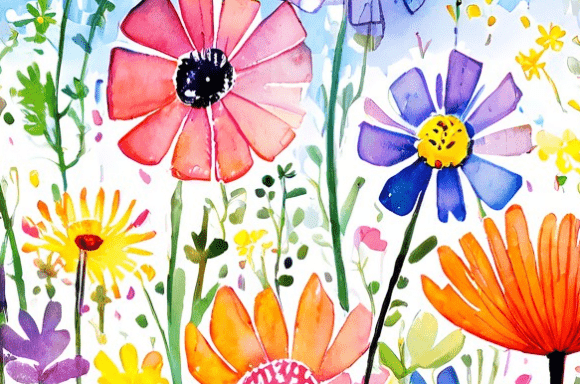
In the saturated landscape of digital and print media, visual differentiation is not merely an aesthetic preference; it is a strategic imperative. The Colorful Watercolor Wildflower Meadow represents more than a decorative asset. It is a versatile design resource that, when deployed with intention, can significantly enhance brand perception, user engagement, and emotional resonance. This collection features a vibrant array of stylized flowers and delicate botanical elements arranged in a playful meadow composition. By leveraging soft watercolor textures and lively colors, creators can achieve a cheerful, nature-inspired design that appeals to a broad demographic while maintaining professional polish.
For entrepreneurs, marketers, and content creators, understanding how to integrate such assets into a broader communication strategy is essential. Randomly placing floral elements on a webpage or brochure rarely yields optimal results. However, aligning the organic, fluid nature of watercolor art with specific business goals—such as softening a corporate image, enhancing educational materials, or creating inviting packaging—can drive measurable improvements in customer experience and brand loyalty.
Aligning Visual Assets with Brand Positioning
Before incorporating the Colorful Watercolor Wildflower Meadow into your projects, you must evaluate its fit within your existing brand architecture. Watercolor aesthetics convey specific psychological cues: authenticity, creativity, gentleness, and approachability. These attributes are highly valuable for brands in the wellness, education, lifestyle, and artisanal sectors. If your organization aims to position itself as rigid, ultra-modern, or strictly industrial, this style may create cognitive dissonance for your audience. Conversely, if your goal is to humanize your brand and foster a sense of community, these botanical elements serve as powerful visual anchors.
Consider the role of color psychology in this collection. The lively colors found in the wildflower arrangement are not just decorative; they are tools for guiding attention and evoking emotion. Yellow tones can stimulate optimism and energy, while softer blues and greens promote calm and trust. A strategic marketer will select specific flowers from the collection to match the emotional tone of a campaign. For instance, a spring product launch might utilize the brighter, more saturated blooms to signal renewal and excitement, whereas a customer support background might feature muted, pastel variants to reduce anxiety and promote clarity.
Enhancing Communication Through Softened Design
One of the most effective uses of the Colorful Watercolor Wildflower Meadow is in communication materials where information density is high. Reports, whitepapers, and educational guides often suffer from visual fatigue. Introducing delicate botanical borders or subtle background textures can break up text blocks, improve readability, and make complex information feel more accessible. This does not mean cluttering the page; rather, it involves using negative space effectively, allowing the watercolor textures to breathe alongside the content.
For educators and publishers, this approach supports learning outcomes. Studies suggest that aesthetically pleasing materials can increase motivation and retention. By integrating stylized flowers into worksheets, presentation slides, or e-learning modules, you create a more inviting learning environment. The key is consistency. Use the same palette and style across all materials to build a cohesive visual language that learners associate with quality and care.
Practical Applications for Stationery and Print
Physical touchpoints remain critical in building brand recall. The Colorful Watercolor Wildflower Meadow is exceptionally well-suited for stationery, including business cards, letterheads, envelopes, and thank-you notes. In an era dominated by digital interaction, receiving a physically beautiful piece of correspondence creates a memorable impression. The soft edges of watercolor flowers contrast nicely with crisp typography, creating a balanced composition that feels both professional and personal.
- Packaging Design: Use isolated flower elements to create custom patterns for product boxes or labels. This adds perceived value and encourages unboxing shares on social media.
- Event Materials: For workshops, conferences, or community gatherings, incorporate the meadow composition into banners, programs, and name tags to create a welcoming atmosphere.
- Corporate Gifts: Elevate standard corporate gifts with custom-designed wraps or cards featuring the botanical artwork, reinforcing a thoughtful brand image.
Digital Integration and User Experience
In digital environments, the challenge is balancing aesthetic appeal with performance and usability. High-resolution watercolor images can be large files, potentially slowing down website load times. To mitigate this risk, optimize images for web use without sacrificing the delicate texture that defines the Colorful Watercolor Wildflower Meadow. Use modern formats like WebP and implement lazy loading for non-critical visual elements.
Beyond technical optimization, consider the functional role of these graphics. They should never obscure critical calls-to-action or hinder navigation. Instead, use them as contextual enhancers. For example, a lifestyle blog might use the wildflower arrangement as a header image for articles related to mindfulness or home decor. An e-commerce site selling organic products might use individual flower icons to highlight key features such as "natural ingredients" or "eco-friendly packaging." This strategic placement reinforces the message without distracting from the primary user journey.
Risks of Unintentional Usage
While the Colorful Watercolor Wildflower Meadow offers significant benefits, misuse can undermine your objectives. The primary risk is lack of context. Applying a playful, nature-inspired design to a serious financial report or a legal document may appear unprofessional and erode trust. Always ask: Does this visual style support the gravity and purpose of the content? If the answer is no, reserve the artwork for more appropriate channels.
Another common pitfall is over-saturation. Because the collection is vibrant and detailed, using too many elements can create visual noise. This overwhelms the viewer and dilutes the impact of the design. Adopt a minimalist approach. Select one or two key elements from the meadow composition and build your layout around them. Allow ample white space to let the watercolor textures stand out. Remember, restraint often communicates sophistication more effectively than abundance.
Long-Term Value and Scalability
Investing in high-quality design assets like the Colorful Watercolor Wildflower Meadow pays dividends over time. Unlike trend-dependent graphics that quickly become dated, watercolor botanicals possess a timeless quality. They can be adapted across various campaigns and platforms without losing relevance. This scalability reduces the need for constant redesigns, saving resources and ensuring brand consistency.
To maximize long-term value, create a internal style guide that dictates how these elements should be used. Define approved color combinations, minimum clear spaces, and prohibited modifications. This ensures that every team member, from freelancers to full-time employees, applies the artwork consistently. Consistency builds recognition, and recognition builds trust. Over time, your audience will associate the specific look of your watercolor florals with your brand’s values of creativity, care, and quality.
Decision-Making Framework for Implementation
When deciding whether to deploy the Colorful Watercolor Wildflower Meadow in a new project, follow this simple framework:
- Define the Objective: What is the primary goal of this communication? Is it to inform, persuade, or entertain?
- Audience Analysis: Will your target audience respond positively to soft, organic aesthetics? Consider their demographics and psychographics.
- Contextual Fit: Does the medium (print, web, social) support the resolution and style of the artwork?
- Integration Plan: How will the floral elements interact with text and other graphics? Sketch layouts before finalizing.
- Review and Refine: Test the design with a small sample group. Gather feedback on clarity and emotional impact.
By approaching the Colorful Watercolor Wildflower Meadow with this level of strategic rigor, you transform a simple design asset into a powerful tool for achieving business outcomes. It is not just about making things look pretty; it is about using visual language to communicate value, build connections, and drive results. Whether you are designing a new logo, updating your website, or creating marketing collateral, let intentionality guide your creative choices. The result will be a cohesive, compelling brand presence that resonates with your audience and stands the test of time.